Founder’s update
Soilo at the ClimateX Roundtable and Pitching Session in Noida
· By Soilo · Story date
Soilo CEO Divyansh Dwivedi joins climate-tech founders and investors for a roundtable and pitching session in Noida.
5 minute read · Published 21 October 2026 · Updated 21 October 2026
Company update
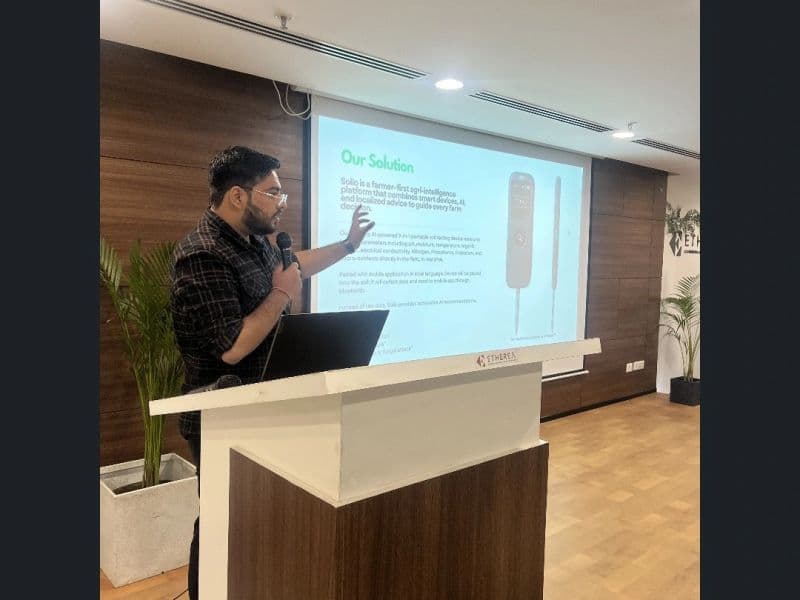
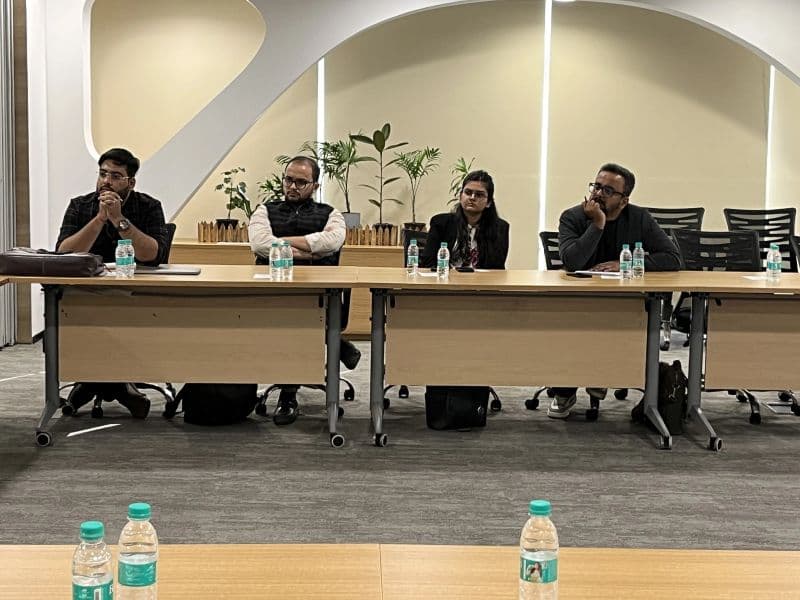
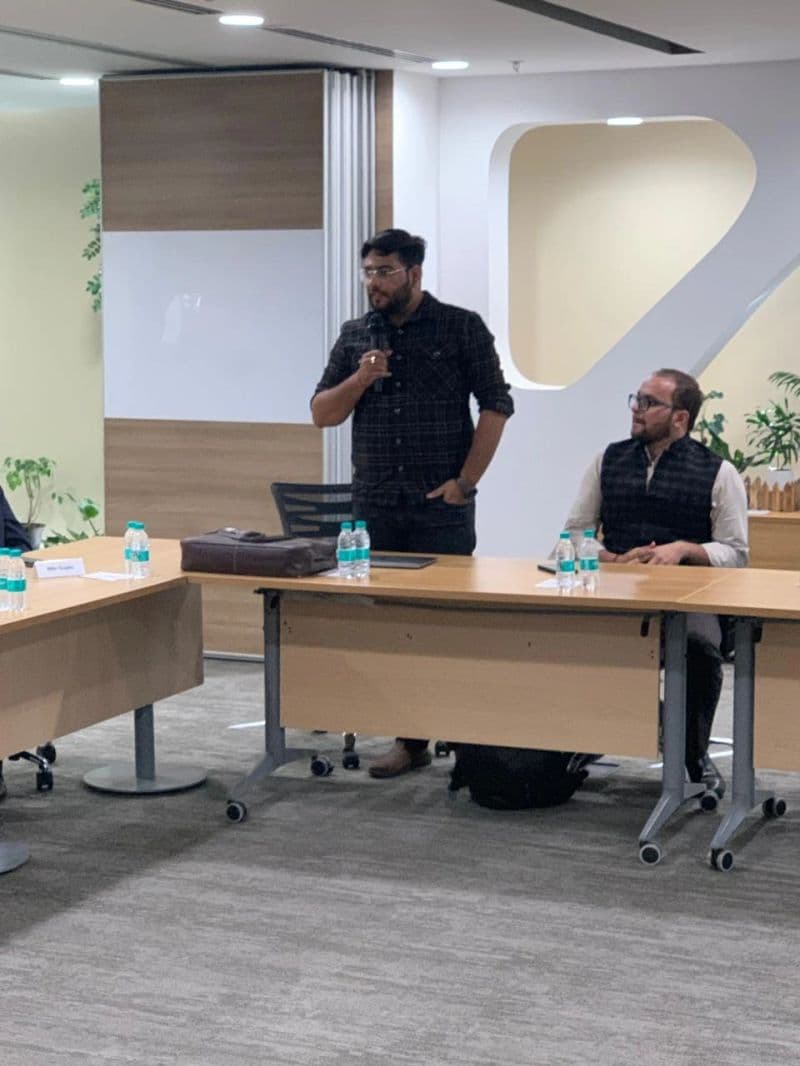
In March 2026, Soilo CEO Divyansh Dwivedi attended the ClimateX Roundtable & Pitching Session in Noida.
Being in a room full of people who genuinely care about climate tech and sustainability is something else. The energy, the conversations, the ideas, it was all so inspiring.
Huge shoutout to the amazing legacy investors who graced the event Shashank Randev, Rajesh Ranjan, Nitin Gupta, Amit Singal, Raja Singh Bhurji, Supriyo Roy & Nakul Saxena. Having such experienced and visionary minds in the room added so much depth to the discussions. Their insights were truly invaluable for everyone present.
Events like these remind me why the climate tech ecosystem in India is only going to grow stronger. We have the talent, we have the intent, and now we are building the capital muscle too.
Getting to pitch Soilo in front of some of the most respected names in the investment ecosystem was truly humbling.
Grateful to have been part of this session and to connect with so many passionate founders and investors working towards a more sustainable future. 🙌
Looking forward to seeing all the amazing ideas from the session turn into real-world impact!
Bringing Soilo’s work into a climate-tech discussion
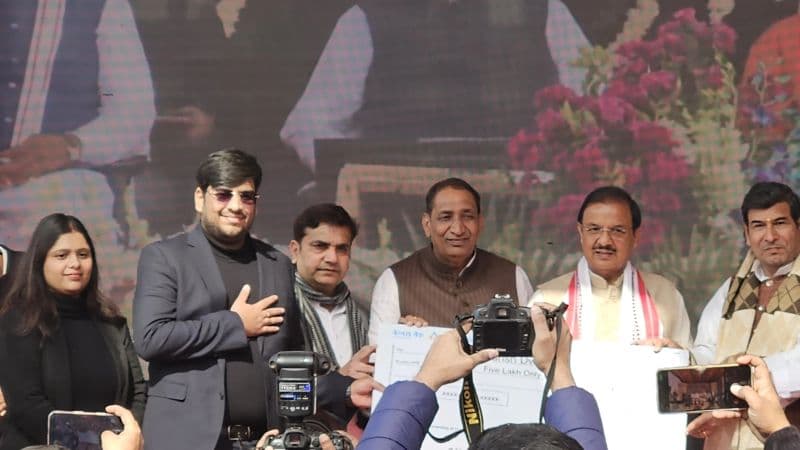
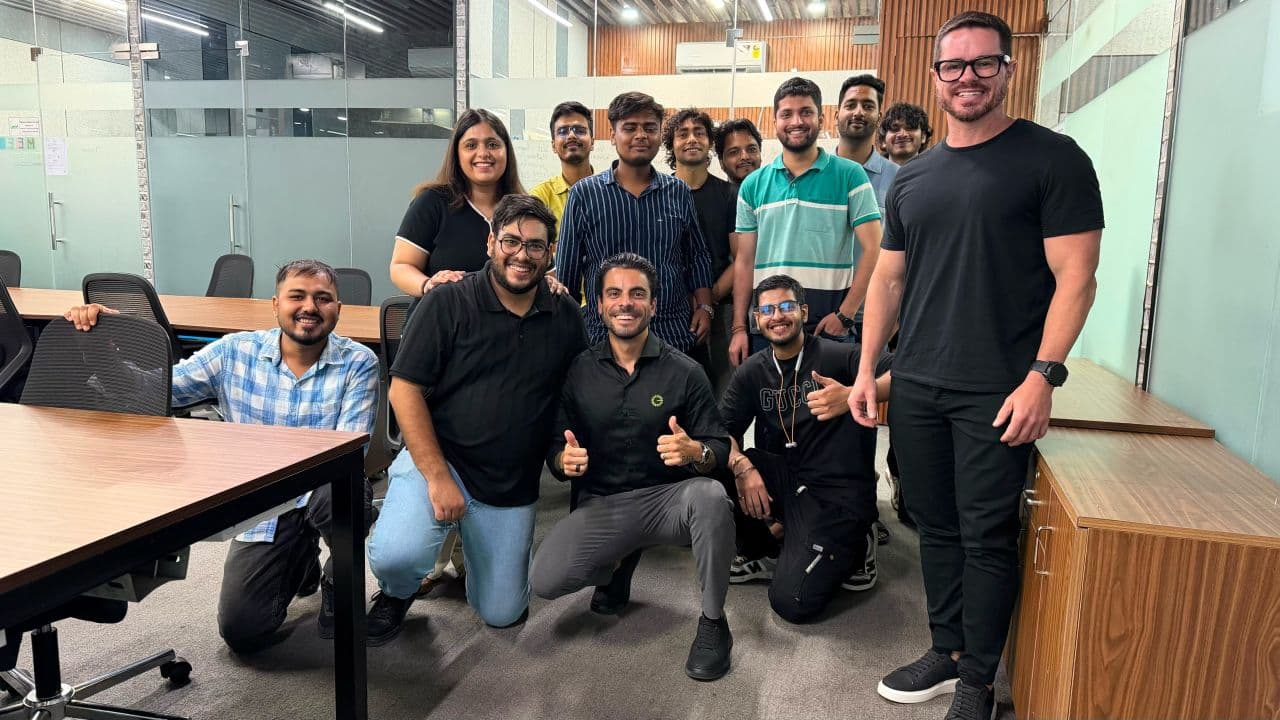
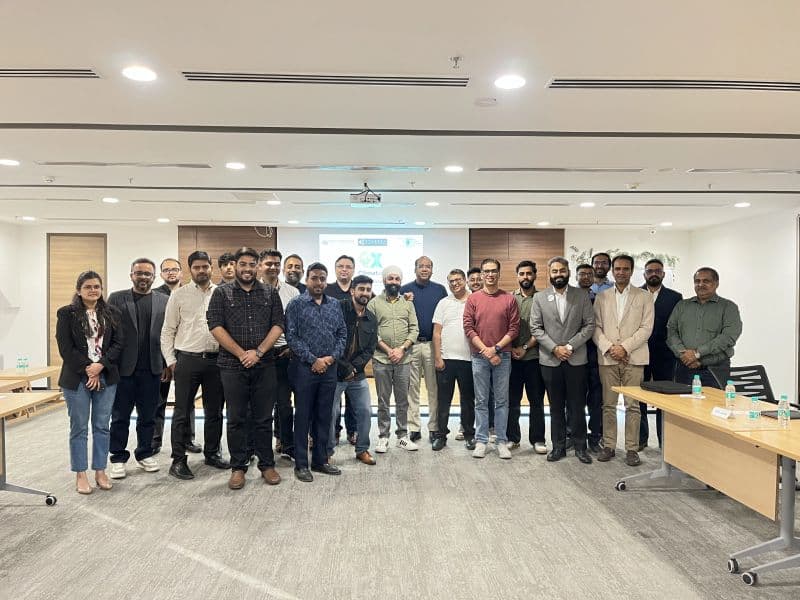
The March 2026 account describes Soilo CEO Divyansh Dwivedi attending the ClimateX Roundtable and Pitching Session in Noida. The founder thanks Shashank Randev, Rajesh Ranjan, Nitin Gupta, Amit Singal, Raja Singh Bhurji, Supriyo Roy and Nakul Saxena in the supplied update, recognising the experience they brought to the setting. The photographs include a group view, a presentation and discussion scenes. They support the account of participation without supplying a basis for inventing investment terms, private feedback or a funding outcome.
The founder’s emphasis is on the energy of the climate-tech community and the opportunity to pitch Soilo’s work. That is a useful occasion to consider how a technical product is explained to people who approach sustainability problems from different backgrounds. A clear proposal needs to connect the field problem with the user, the evidence and the intended workflow. The background below develops those questions, distinguishing Soilo’s current offerings and the wider engineering process from the specific events that were actually reported at the Noida session.
Background: connecting field information with sustainability work
Agriculture, environmental monitoring and sustainability reporting can involve related information without being the same activity. A field observation may help a grower understand conditions at a location. A business may use records from several locations to organise operational information. A reporting or carbon project may require additional evidence, defined boundaries and a particular methodology. The connection between these activities is the need to understand where information came from and what it can support. Keeping that connection traceable is more useful than assuming that a measurement automatically answers every scientific, commercial or regulatory question that follows it.
Soilo currently describes four separate enterprise offerings: Ground Intelligence, ESG and Sustainability, Carbon MRV, and EUDR-first RegTech evidence work. Ground Intelligence organises site-linked records and selected operational workflows. ESG work concerns source-backed reporting evidence and selected disclosure mappings. Carbon MRV supports methodology-specific monitoring evidence, while independent verification remains with qualified external parties. RegTech work focuses on scoped source-data validation and technical evidence preparation. These descriptions provide current company context. They do not mean that buying a device automatically supplies every enterprise capability, establishes regulatory compliance or qualifies a project for carbon credits or formal assurance.
This distinction helps explain why climate-tech conversations can be technically and commercially demanding. A useful proposal needs to identify the user, the evidence required and the decision being supported. It should also make clear which responsibilities remain with the project owner, adviser, laboratory or independent reviewer. Field data can contribute to a larger evidence workflow when the necessary records and permissions exist, but it cannot replace every other component. Soilo’s participation in sustainability discussions is best understood through that practical lens: bringing field-information capabilities into a conversation about how organisations can make better documented decisions within an agreed and appropriately limited scope.
Climate-tech conversations need clear evidence boundaries
The founder’s ClimateX account places Soilo in a room with other founders and experienced investment professionals. It names people who attended and describes the opportunity to pitch as meaningful. The story does not announce a funding round or say that any named attendee invested in the company. A pitching session can be important because it exposes a business explanation to experienced questions. That significance stands on its own without converting attendance or encouragement into an investment commitment.
For Soilo, a climate-tech discussion can touch several offerings, but those offerings need distinct explanations. Ground Intelligence concerns site-linked measurements and operational records. ESG work concerns evidence collection and selected reporting mappings. Carbon MRV concerns methodology-specific monitoring evidence. RegTech concerns scoped source-data and technical evidence checks. These services may exchange authorised records where the scope supports it; buying a device or hearing a pitch does not automatically provide every service or establish regulatory compliance.
A useful example is the difference between observing a soil indicator and quantifying a carbon project. A reading can contribute to an operational history, but an eligible carbon calculation may need a specified methodology, laboratory measurements, sampling depth, bulk density and qualified scientific review. Independent verification remains a separate role. The ClimateX story should not suggest that a public pitch, an investor conversation or a portable instrument removes those requirements. Clear boundaries make the discussion more credible for both technical and commercial audiences.
The same principle applies to claims about environmental impact. A proposed benefit and a demonstrated outcome are different stages of evidence. A company can explain the problem it wants to address and the records it can help collect without assigning an unsupported emissions reduction or financial return to an event appearance. Readers interested in a project should be able to identify what data would be collected, who has rights to use it and what further review is needed. Those questions make sustainability discussions more concrete.
March 2026 and Noida are the time and location supplied for this update. The accompanying photographs document the occasion described by the founder. The article retains the account as a company reflection, while the background explains why evidence, product boundaries and careful communication matter in climate technology. Readers can explore Soilo’s separate solution pages to understand current service scope rather than treating this historical pitching story as a complete commercial proposal.
Photo gallery