Agrinext Summit 2026: What We Learned From Farmers in Kerala
· By Soilo · 6 minute read
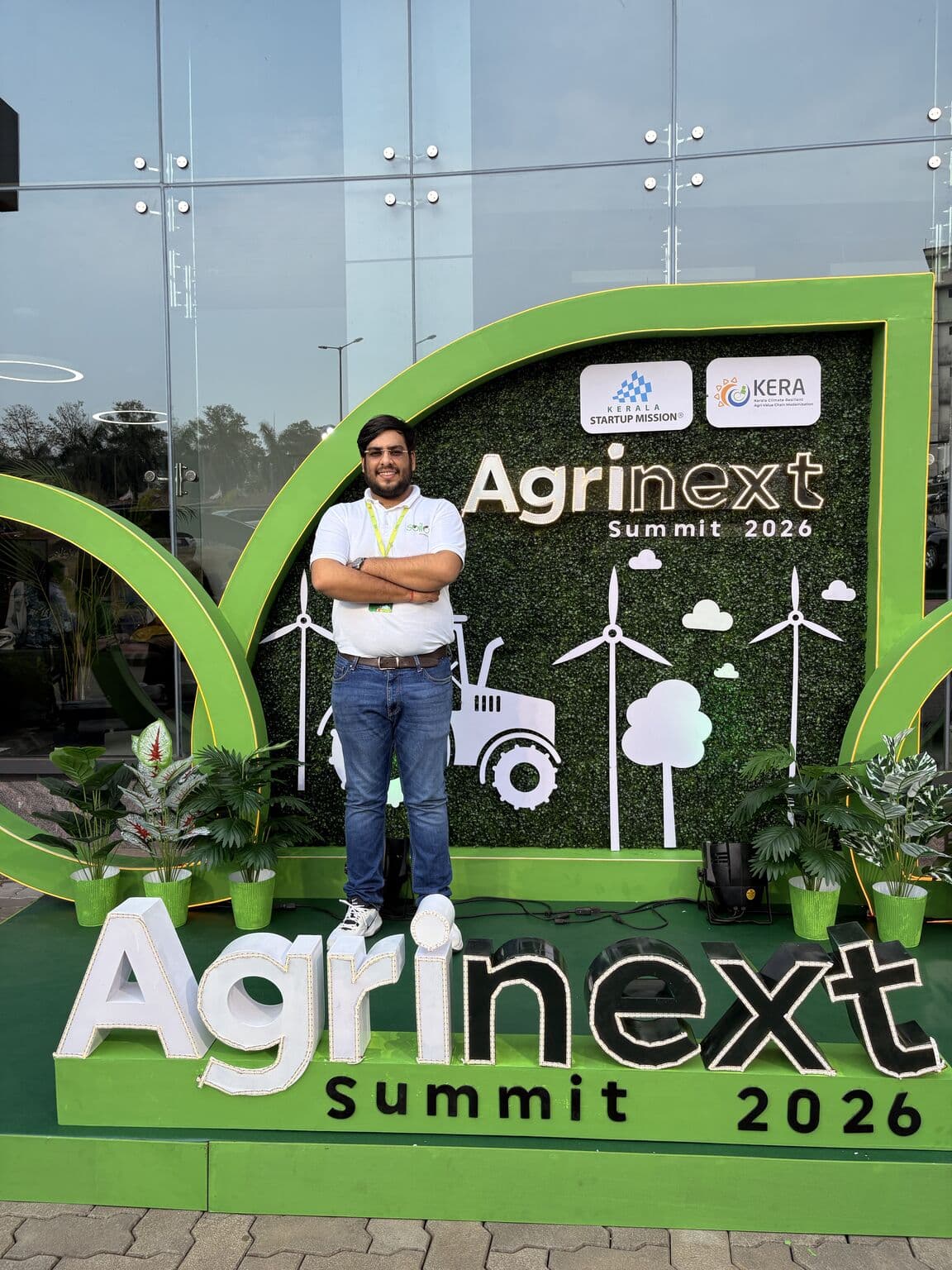
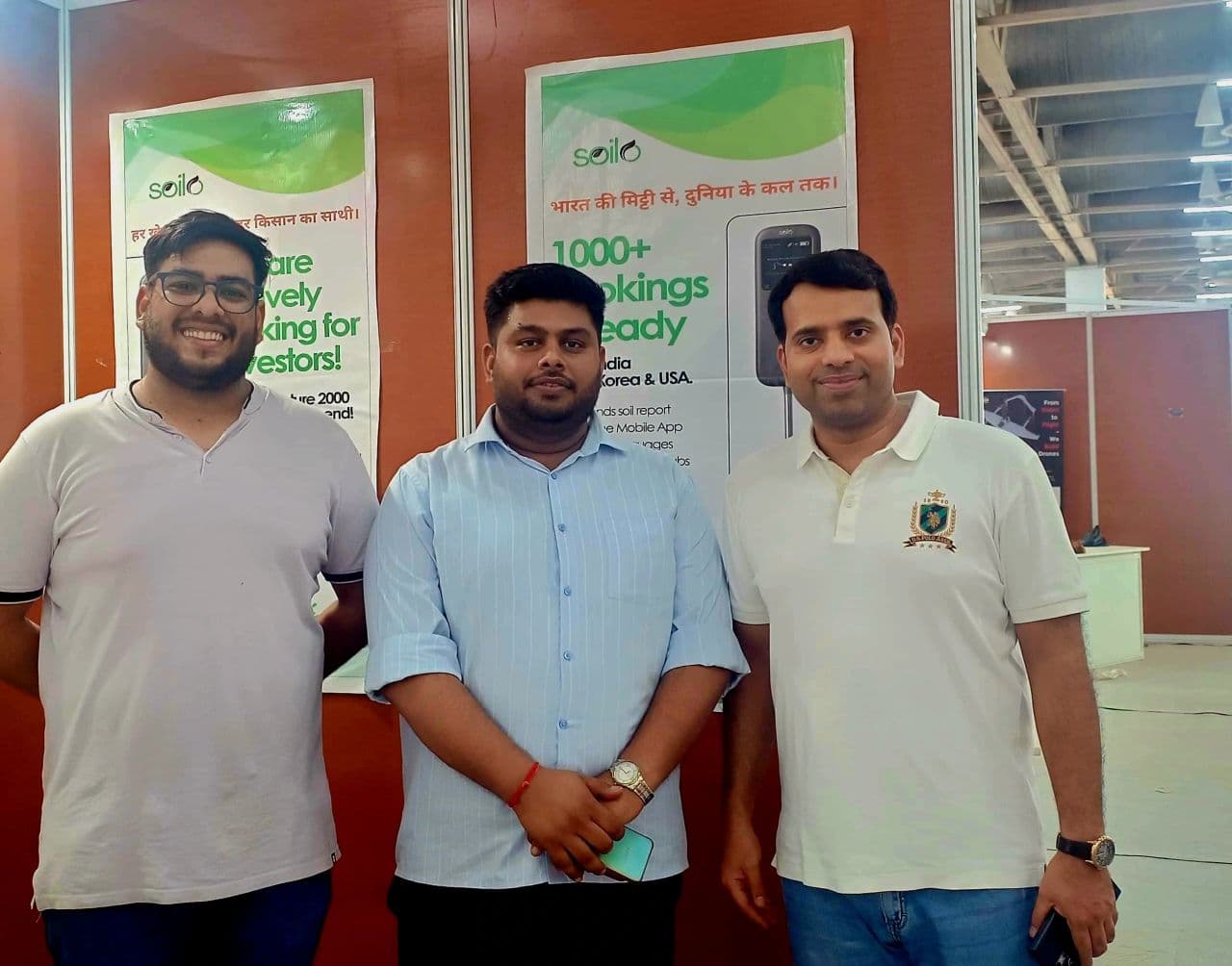
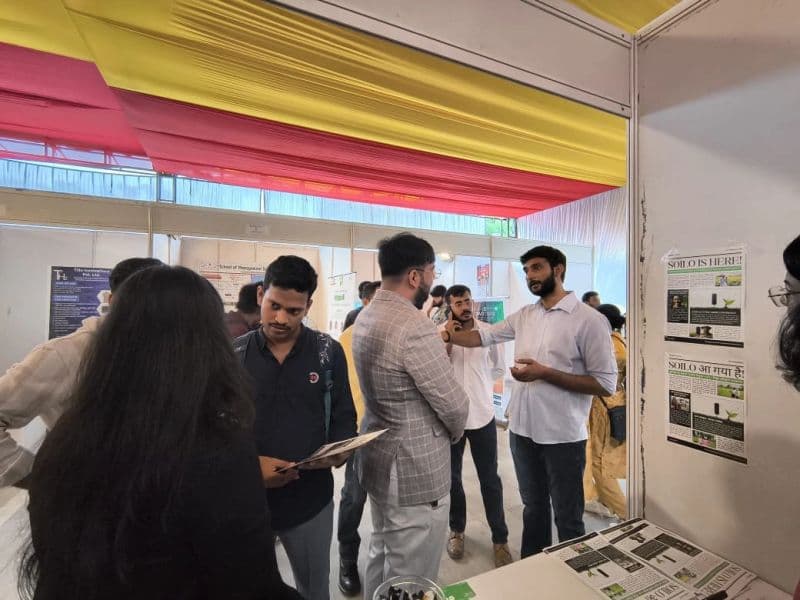
Agrinext Summit 2026 in Kerala gave us one of the most useful kinds of feedback a technology company can receive: detailed questions from people who understand the problem we are working on. Our team welcomed more than 300 visitors to the Soilo display during the event, including farmers, farmer producer organisation representatives, government officials and visitors associated with the World Bank. We discussed soil health, field data, testing methods and what it takes to make agricultural technology genuinely useful.
The response was encouraging. We recorded product interest and purchases during the event, but the conversations mattered just as much as the transactions. Visitors were not satisfied with a general claim about innovation. They wanted to understand what information the device could provide, how it should be interpreted and how it might fit their current decisions. That level of engagement is exactly what helps a product company improve.
An informed audience asking the right questions
One of our strongest impressions from Agrinext was the depth of knowledge among the farmers we met. Many were comfortable discussing pH, soil nutrients, crop cycles, input management and cost optimisation. Their questions reflected lived experience and a clear awareness that crop performance depends on a combination of soil conditions, cultivation practices and weather. We found those discussions refreshing because they moved the conversation beyond a simple product demonstration.
When a user understands the underlying agricultural question, it becomes easier to examine whether a new tool can add value. A portable device may offer convenience, but the result still needs to make sense in the context of sampling, land management and other available evidence. Farmers who ask precise questions help identify both useful applications and areas where a company must improve its explanations.
We want Soilo to be part of that kind of decision process. Our work is centred on making soil observations and digital reports more accessible in the field. We believe the product should support users in thinking more clearly about their conditions, rather than ask them to accept a number without context. The discussions at Agrinext reinforced the importance of designing for informed, questioning users.
Practical soil information in a demanding field environment
Kerala's agricultural landscape includes diverse crops and growing conditions. The needs of a field operator may vary significantly between crops, soil types and management systems. A tool developed for broad use should therefore be approached with care. Sampling method, location, moisture conditions and the intended decision all influence how information should be used.
At the summit, we focused on explaining how a field-oriented workflow works and why it should complement sound agricultural practice. A reading is meaningful when it is linked to a properly collected sample and interpreted with relevant background. Portable assessment can be valuable for observation and screening, while laboratory analysis may still be required for specific diagnostic, regulatory or scientific purposes. We want users to understand these roles clearly.
Questions about accuracy and repeatability are especially important. A device can present multiple parameters, but those parameters may not all be established through identical measurement methods. Some information may involve sensor readings while other outputs rely on models or regional reference data. Clear distinction is necessary for users to judge how the information should influence a decision. We welcome these questions because they keep our development work grounded in real expectations.
Talking with FPOs and institutions
Agrinext gave us opportunities to discuss Soilo with farmer producer organisations and institutional visitors as well as individual farmers. Their perspectives often involve the use of information across multiple people or locations. They may be interested in whether a field process can be repeated consistently, whether records can be organised and how a device could fit a service model delivered by trained operators.
These are important questions for scaling any agricultural technology. A product used once by its developer is not the same as a workflow used repeatedly by a distributed team. Consistency depends on training, clear procedures, support and appropriate methods for checking the quality of information. Digital reporting can help organise records, but it cannot compensate for a poorly collected sample or a misunderstood result.
For organisations operating across a region, accessibility also matters. Connectivity may vary and users may require information in familiar formats or languages. The design of the application and supporting materials can influence whether the technology is adopted. Conversations with FPO representatives help us consider those operating realities rather than focus only on hardware capabilities.
When interest becomes a responsibility
Purchasing decisions made during an exhibition are encouraging, especially when visitors have taken the time to understand the product. For Soilo, they also create a responsibility to support customers after they leave the venue. A new user must receive clear instructions, know the correct workflow and have a way to seek help when a technical issue arises. These are not secondary details; they are part of what the customer has purchased.
Our team continues to learn from both positive experiences and difficult cases. A product may operate differently under an unfamiliar handling routine. A customer may compare a field result with a laboratory measurement obtained under a different sampling or preparation method. The right response is to investigate the conditions carefully, explain the methodology and determine whether additional validation or a product improvement is required.
We believe that approach is necessary for long-term trust. Enthusiasm can begin a customer relationship, but reliable support and transparent interpretation determine whether the relationship continues. The questions raised at Agrinext will remain useful long after the event photographs have been shared.
Kerala's farmers showed us what good adoption requires
The summit reminded us that technology adoption is not simply a process of convincing someone to buy a device. Farmers who understand their land already have methods, observations and practical knowledge. A new tool should respect that expertise and give them additional information that can be used alongside it. It should be easy enough to operate in ordinary conditions and honest enough to acknowledge when more evidence is needed.
That principle guides our wider view of ground intelligence. Soil information can be valuable when linked with relevant environmental and management records, but the quality of each input must be understood. As Soilo considers new products and reporting workflows, we want to carry forward the lessons from agricultural users who ask practical, technically informed questions.
We thank Kerala Startup Mission, KERA and the Agrinext team for creating a focused environment for these conversations. We also thank the farmers, FPO leaders, officials and other visitors who spent time at our display. Their interest encouraged us; their questions challenged us in the best possible way.
The next step for Soilo is not simply to attend more events. It is to keep improving the product, deliver consistently and make the experience more useful for the people who place their trust in us. Agrinext 2026 reminded us that Kerala's farming community is ready for meaningful technical conversations. We intend to keep listening and building with that expectation in mind.