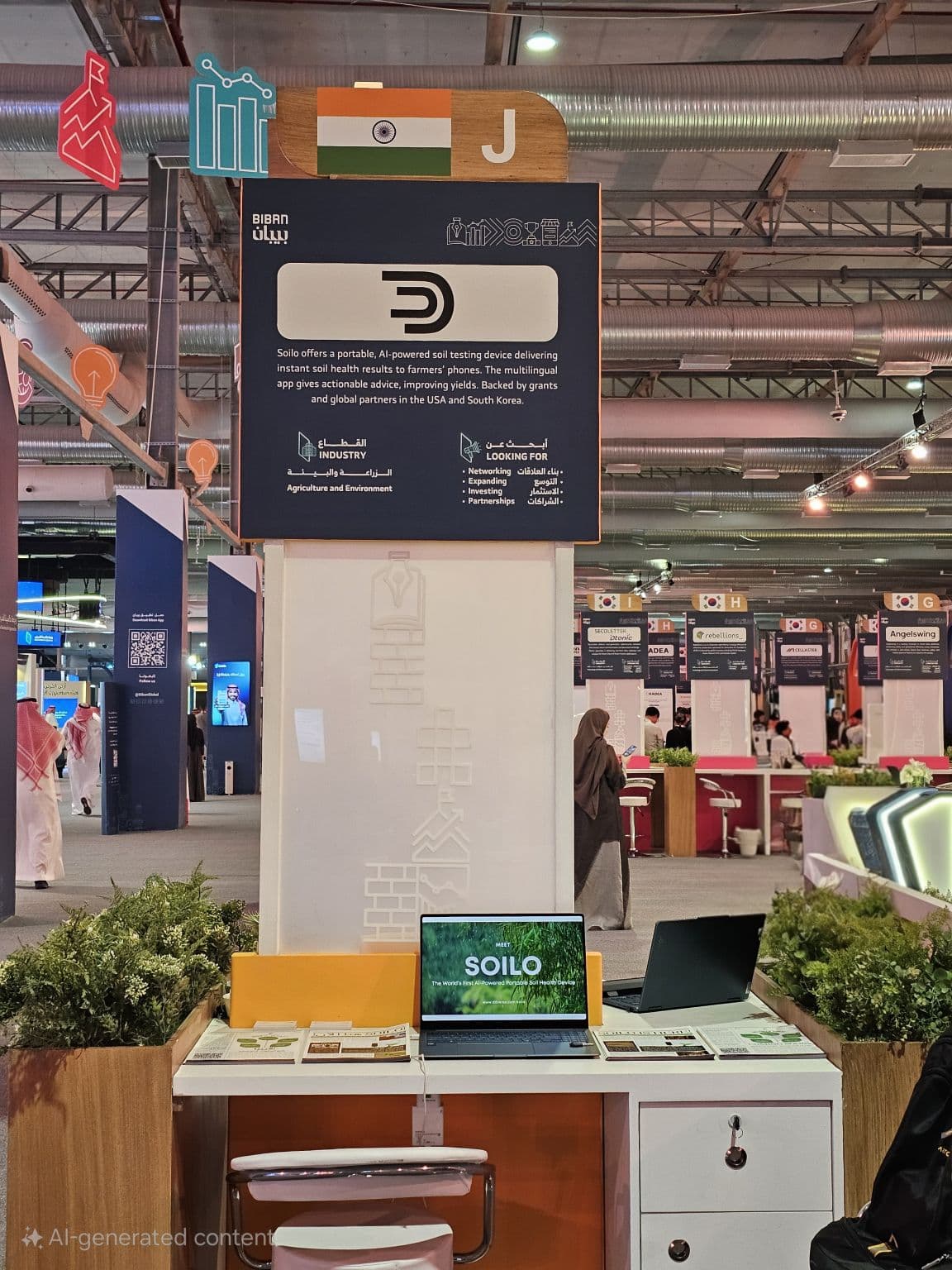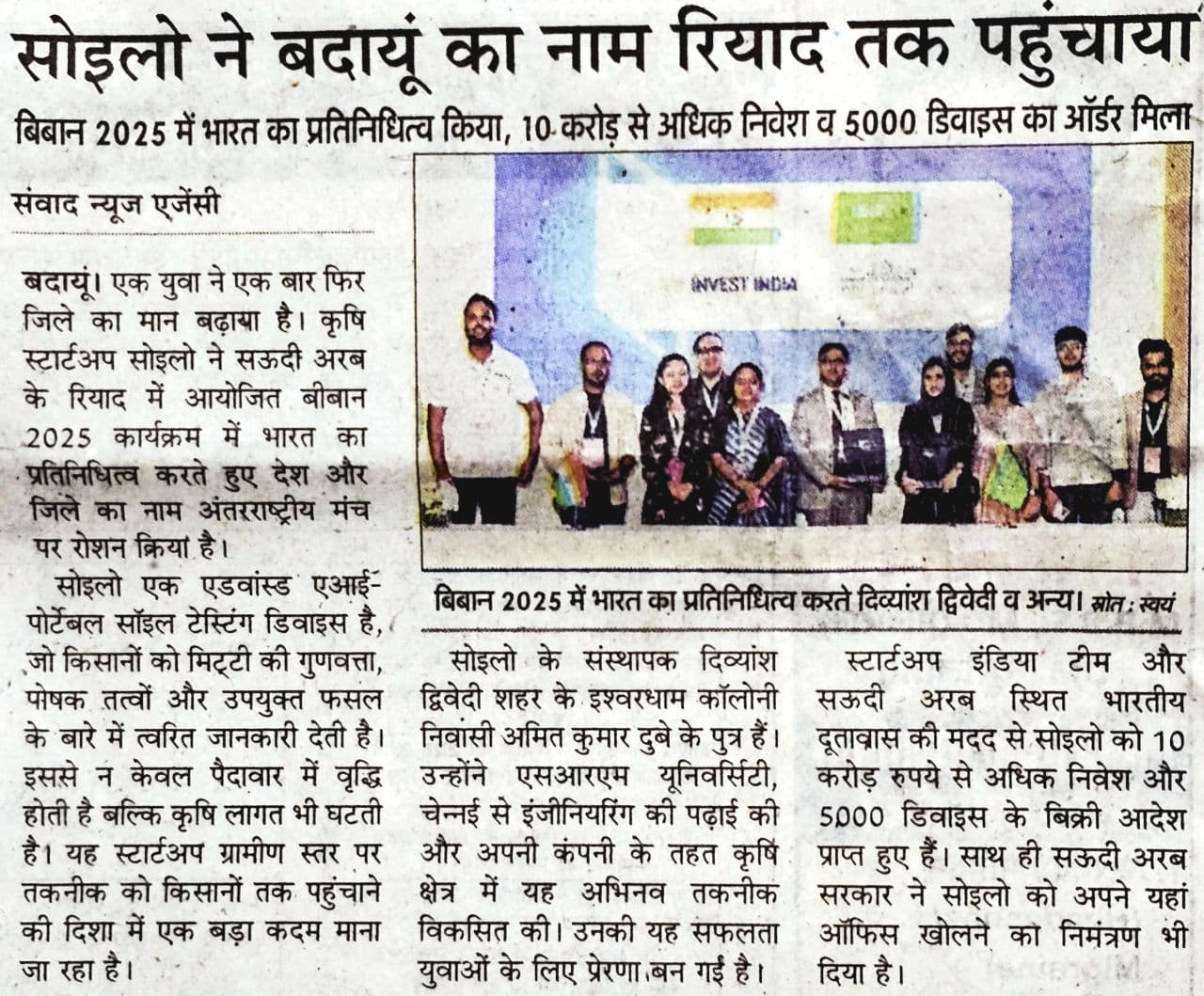
Soilo at the India-Saudi Innovation and Unicorn Roundtable in Riyadh
· By Soilo · 6 minute read
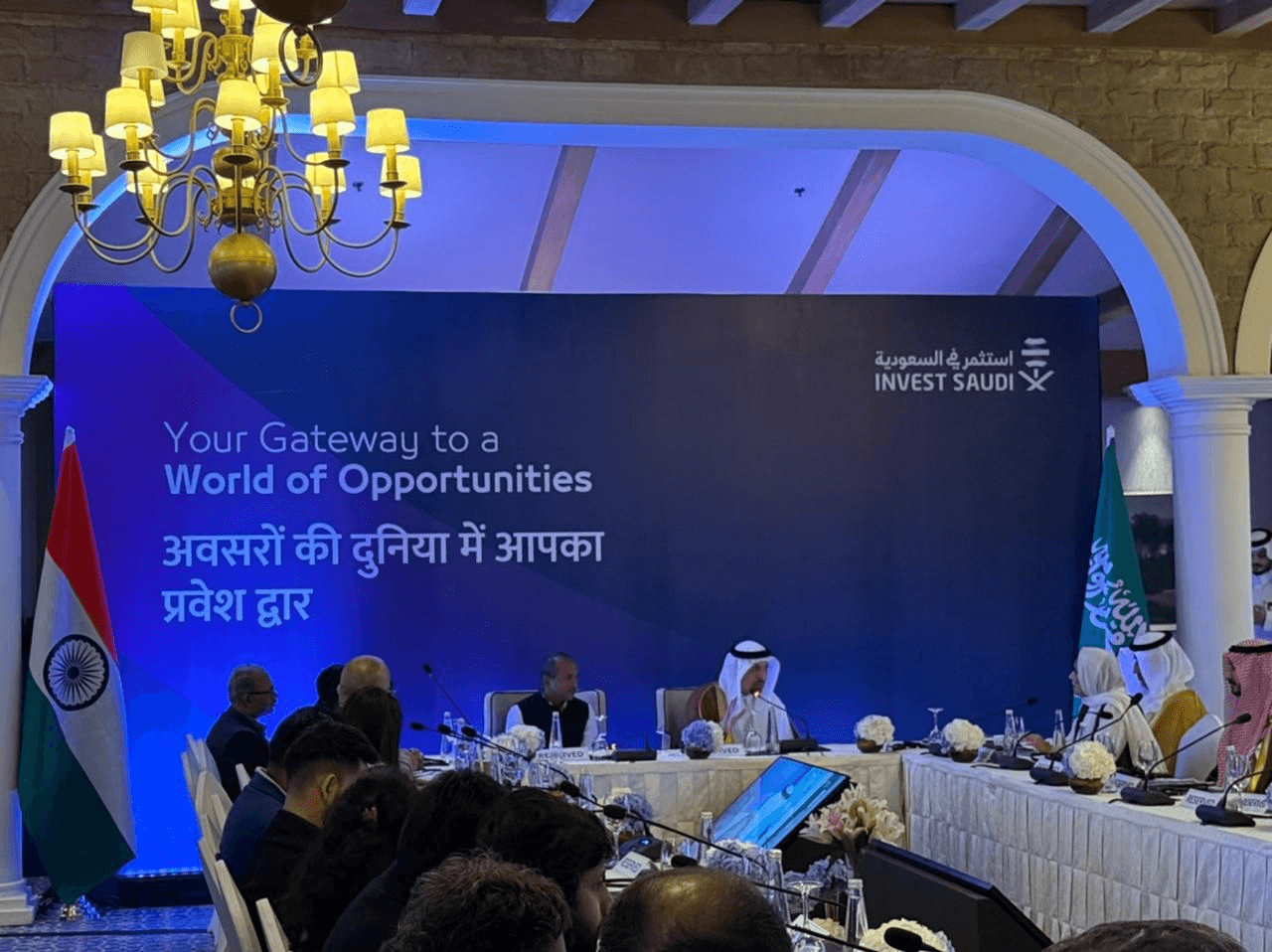
Soilo had the opportunity to take part in the India-Saudi Innovation and Unicorn Roundtable on 12 November 2025, during a period of growing engagement between the two countries' startup and investment ecosystems. For our team, the invitation was a chance to join a serious conversation about innovation, market access and the practical ways businesses can collaborate across borders. It also allowed us to consider how a young Indian environmental technology company might develop relationships in an international market while remaining focused on dependable products and clear customer value.
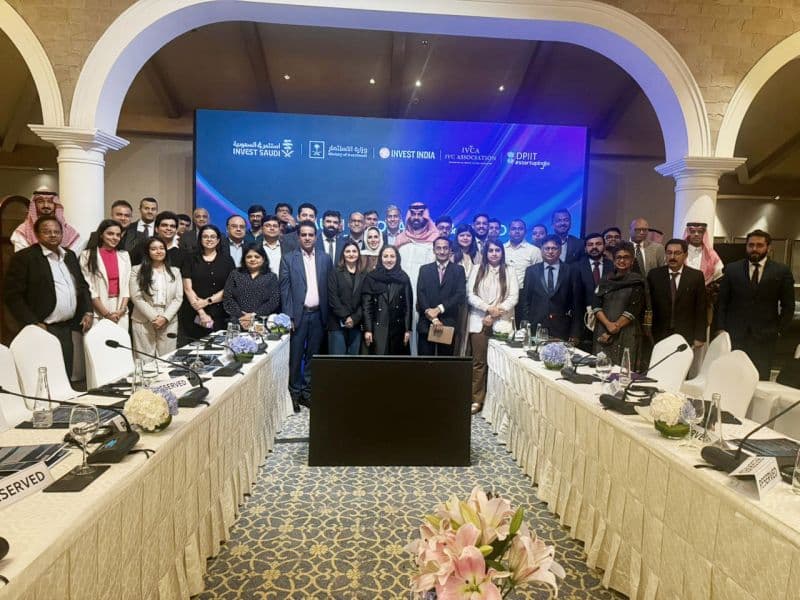
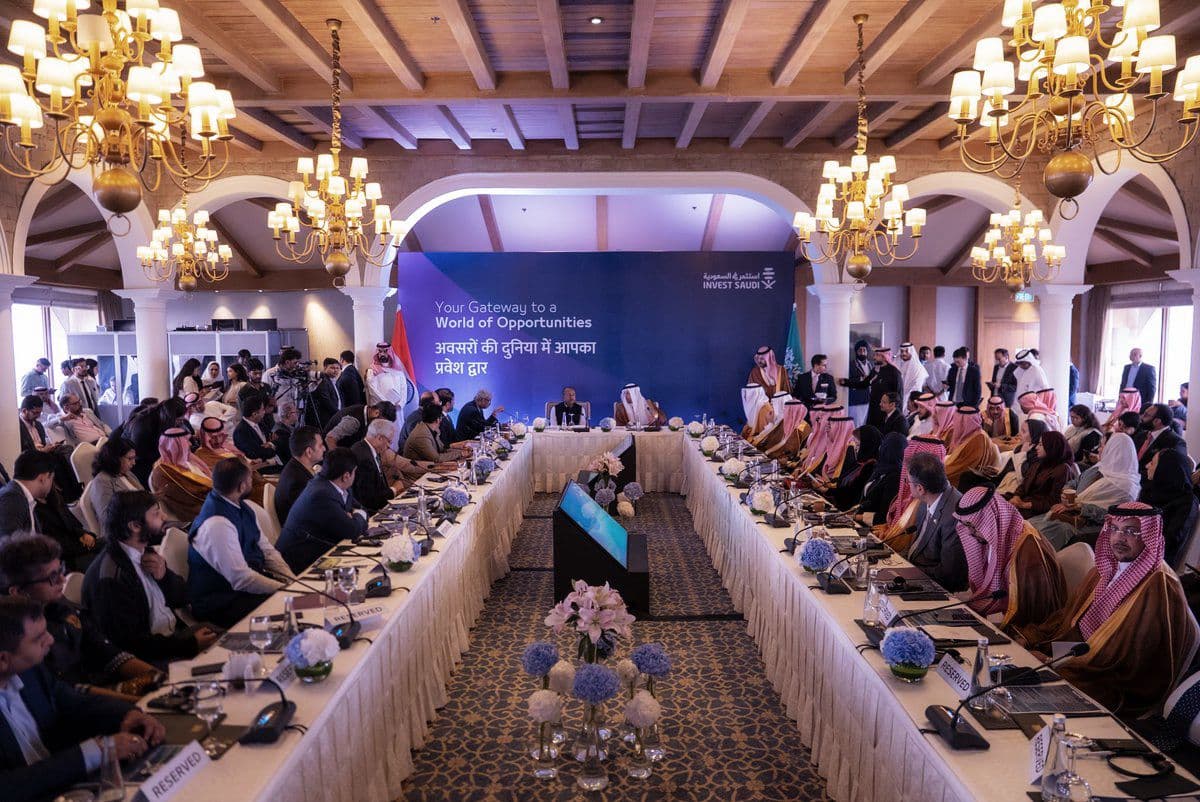
The roundtable was associated with Startup India, the Department for Promotion of Industry and Internal Trade and Saudi Arabia's Ministry of Investment. It brought together representatives from government, investment organisations, companies and the startup community. We appreciated the opportunity to be present in a room where people were looking beyond individual products towards the broader conditions that allow innovation to reach new markets.
A conversation with institutions and businesses
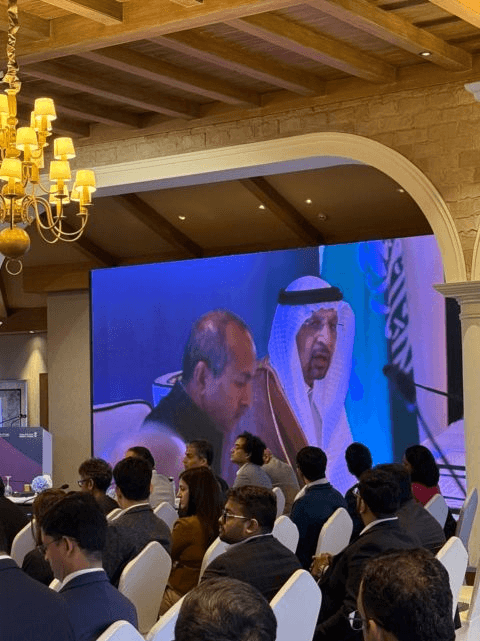
The programme was led on the Saudi side by H.E. Khalid Al Falih, associated with the Kingdom's Ministry of Investment. Shri Sanjiv, Joint Secretary at DPIIT, provided opening remarks that set the tone for the discussion of India-Saudi collaboration. The roundtable included participants from the Saudi innovation and investment ecosystem, with organisations identified in the event account including Aramco Ventures, Saudi Venture Capital, the Ministry of Education and the Saudi Investment Promotion Authority.
The Indian side was represented by a broad group of startups, established high-growth companies and venture capital funds, described in the event account as more than 50 unicorns, soonicorns, startups and investors. The variety of participants mattered because cross-border cooperation rarely depends on one institution or one introduction. Investors, enterprises, universities, public organisations and founders often have different roles in turning an opportunity into a practical project.
For Soilo, listening to that range of perspectives helped place our own challenges in a larger context. An Indian startup may have a working product but still need to understand local procurement requirements, customer expectations, technical standards and support arrangements before entering another market. Better ecosystem links can help companies begin those conversations with the right people.
Why market access is more than a meeting
The idea of market access can sound simple: introduce a company to potential customers and let the business develop. In practice, there are several steps between the introduction and sustained use of a product. The company needs to establish that its offering is relevant to a specific problem, explain how it works, address local operating conditions and build the capacity to support it after delivery.
This is especially true for hardware-led businesses. Soilo's products combine physical devices with firmware, software and data workflows. International users may need different training, documentation or integrations. A device that operates under one set of field conditions should not be assumed to be suitable for every environment without evaluation. Local feedback helps identify what needs to be tested and what changes might improve the customer experience.
We see institutional forums as useful starting points because they make it easier to identify potential collaborators and understand the business environment. But attendance at a roundtable does not itself establish investment, a partnership or a completed commercial outcome. Those developments require separate decisions and follow-through. The value of the event lies in the quality of the connections and the clarity it can bring to future work.
Deep technology needs patient collaboration
One of the themes discussed in the wider India-Saudi innovation context was the potential to connect deep technology pipelines through cooperation among universities, institutions and businesses. Such approaches can involve joint research, knowledge exchange, talent development and pathways for commercialising technology. For companies working at the intersection of hardware, software and environmental information, these kinds of connections are relevant.
Our own experience has shown how valuable diverse technical expertise can be. Building a soil-intelligence product requires understanding electronics and sensing methods as well as digital systems and agricultural use. The design process benefits from perspectives that challenge assumptions about measurement, usability and environmental conditions. Collaboration with relevant specialists can help improve methods and identify applications that deserve further investigation.
We believe any cross-border research or product relationship should begin with a clear question. What problem is being addressed? What evidence would demonstrate progress? Who is responsible for testing, documentation and support? How will intellectual property and data be handled? Addressing these issues early can make collaboration more effective and reduce the chance of an enthusiastic discussion leading to unclear expectations.
Environmental intelligence as a global problem
The reason Soilo was interested in this dialogue is connected to our broader mission. We are developing tools that help people observe and work with ground and environmental information. The need for relevant field data arises in agriculture and in other forms of land and environmental management, although different applications require different methods of measurement and verification.
Saudi Arabia offers an important setting for conversations about resource management and environmental technology. We are interested in understanding where portable observations and digital records might contribute useful information, particularly when combined with appropriate sampling methods and wider evidence. We do not assume that a product developed for one market automatically meets every requirement elsewhere.
As Soilo explores workflows associated with Carbon MRV, ESG and regulatory reporting, we are especially careful about how field data is represented. An observation can support a monitoring process, but it does not independently establish a verified carbon benefit or regulatory compliance. Organisations need traceable records, appropriate methodologies and, in many cases, independent assurance. We want our technology to help make information more accessible without obscuring those requirements.
Building relationships that can last
A lasting international relationship requires more than a shared ambition. It depends on listening, clearly assigned responsibilities and practical support. Potential distributors need to understand the product and service process. Technical users need documentation. Enterprise customers need confidence about data quality and security. Each conversation can help us decide what the next useful step should be.
Our experience in international markets has reinforced the importance of explaining a product accurately. We want customers to understand the distinction between directly measured values and outputs supported by models or regional data. We want reports to be clear about what they represent. We also want to respond seriously when a customer's field observation differs from expectations. These are the habits that make a young company more dependable.
Events such as the India-Saudi roundtable can help identify opportunities for this kind of engagement. They create a setting in which institutions, investors and businesses can understand one another's priorities. The outcome, however, is determined by the work that takes place after everyone leaves the room.
Grateful to be part of the dialogue
We thank Startup India, DPIIT, Saudi Arabia's Ministry of Investment and the organisers and participants associated with the roundtable. We appreciate the opportunity to engage with a wider community working to strengthen India-Saudi innovation links and to hear perspectives from established companies, investors and fellow founders.
For Soilo, participation reinforced that building technology in India can be part of a wider global conversation. It also reinforced that our credibility depends on what we are able to deliver. We intend to keep developing useful field-intelligence products, improving their supporting software and building relationships based on clear technical information and responsible commitments.
The roundtable was an important moment in our international journey, not because it completed any particular deal, but because it brought our team closer to the conversations that shape cross-border innovation. We are proud to have taken part and look forward to the practical learning and collaboration that such dialogue can make possible.
Photo gallery