Building Technology That Matters: Soilo at Bharat Innovation Conclave
· By Soilo · 6 minute read
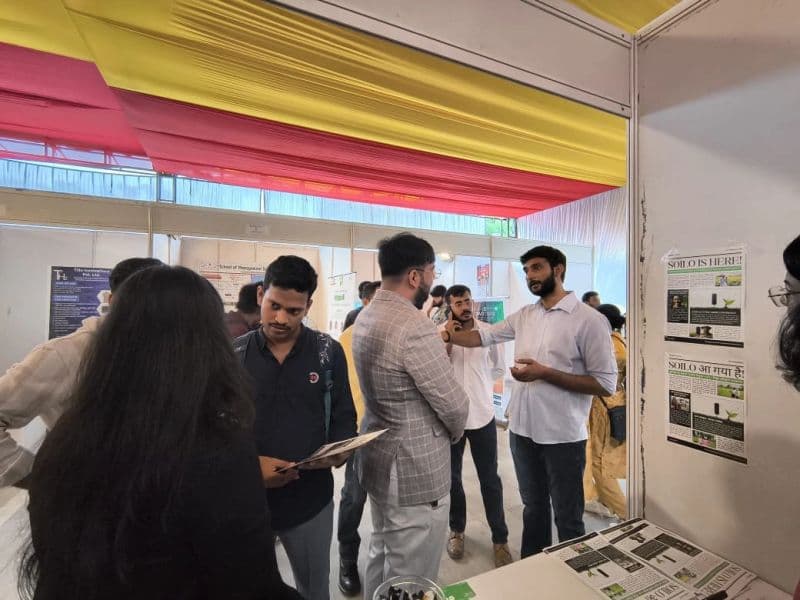
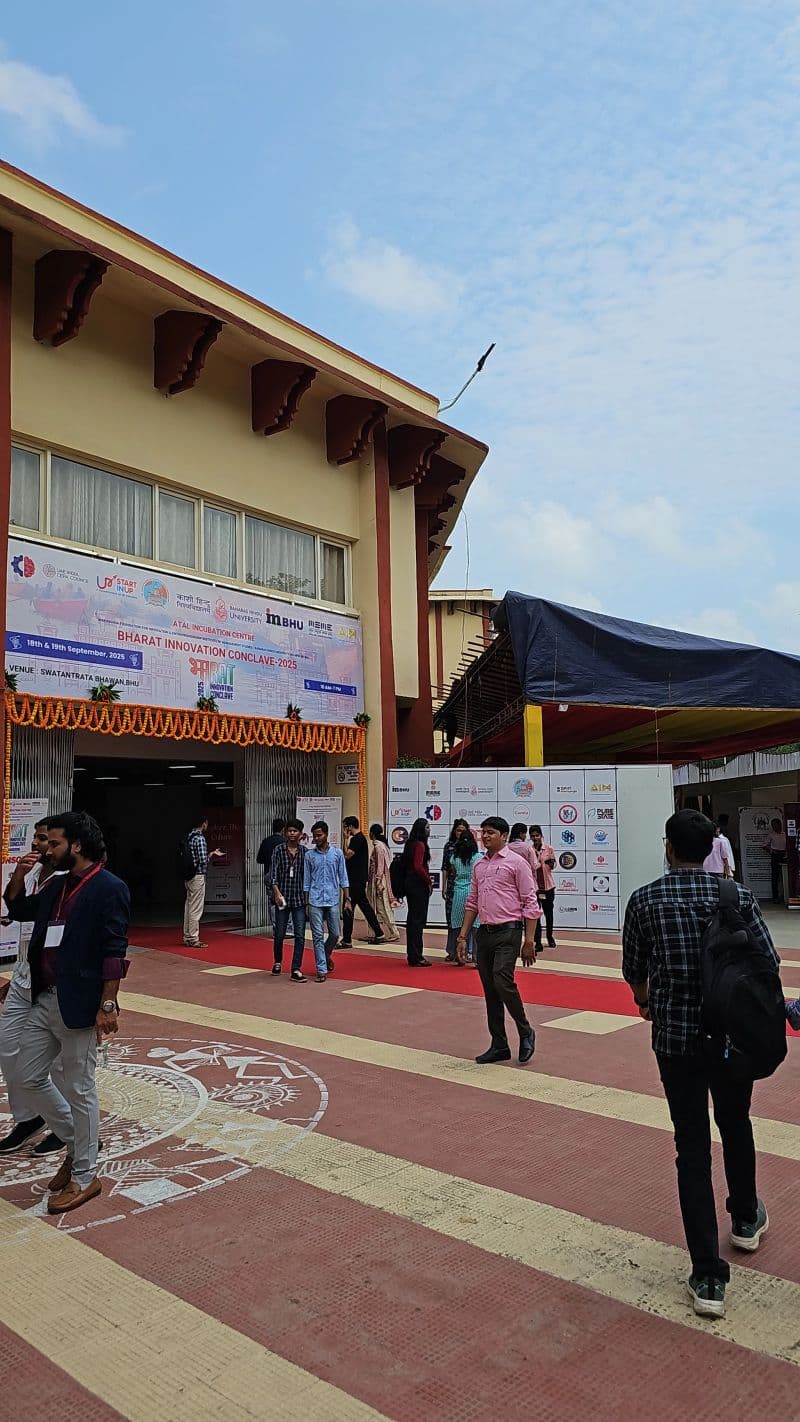
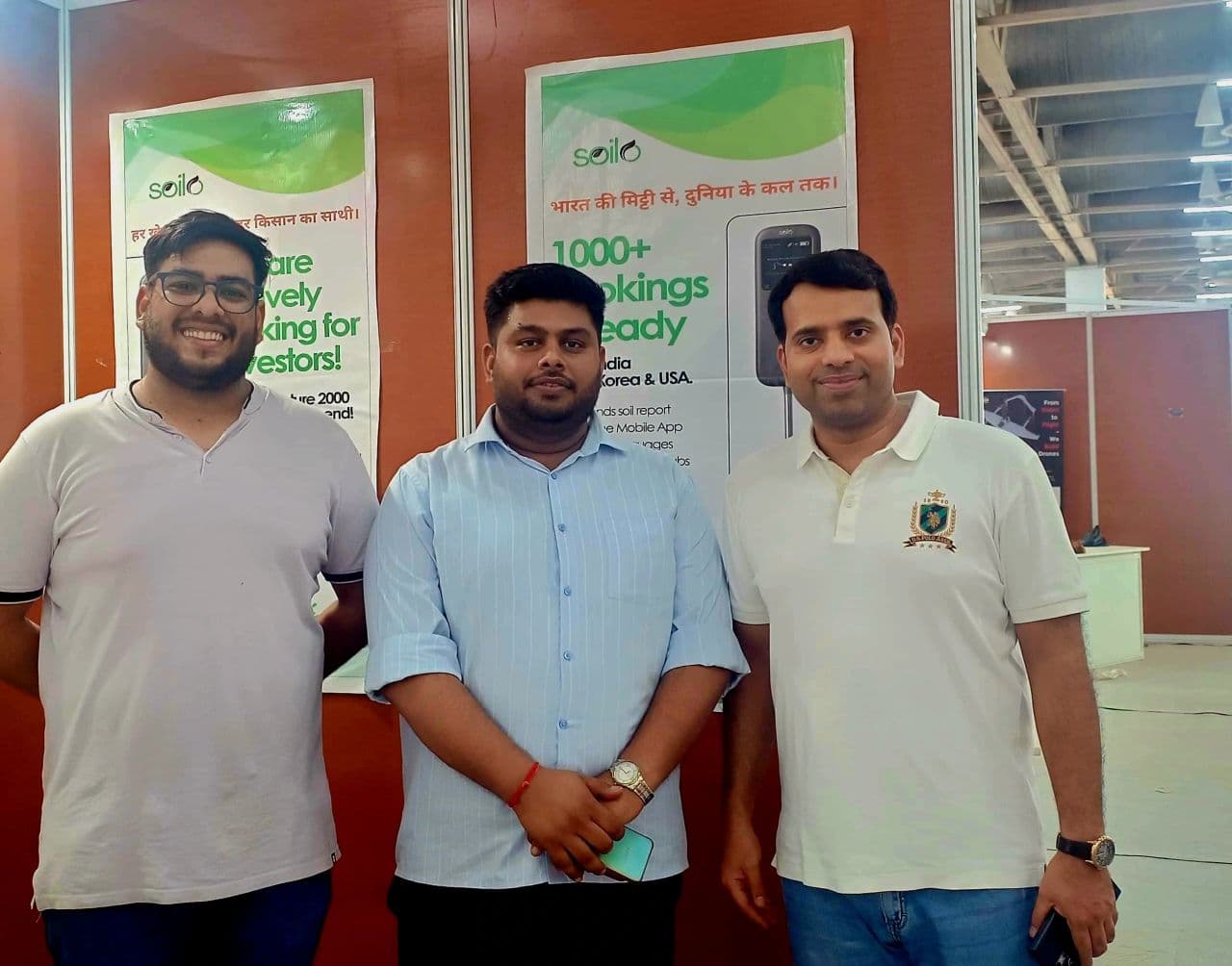
Innovation is most meaningful when it responds to a problem people experience in everyday life. That was the message we carried to Bharat Innovation Conclave in Varanasi, where Soilo joined a gathering of entrepreneurs, innovators and people committed to strengthening India's technology ecosystem. The event gave us an opportunity to explain why we started the company, what we are building for agricultural users and why access to better soil information deserves more attention.
For Soilo, participation was also a reminder of the range of ideas being developed across India. Different founders were working on different problems, but the shared ambition was recognisable: build something useful, demonstrate that it works and create the conditions for it to reach the people who need it. We returned from the conclave with renewed energy and a sharper appreciation of the work required to turn that ambition into a dependable product.
The problem we wanted to discuss
Soil is fundamental to agriculture, yet many farmers and field teams face practical barriers when they try to understand soil conditions. Access to testing can depend on location, availability of services, sampling arrangements and the time needed to receive results. Traditional laboratories play an important role in agricultural science and remain necessary for many analyses. Our question was how technology could make field-level information more accessible without pretending that every laboratory function can be compressed into one portable device.
Soilo began around that question. We are developing portable soil intelligence tools linked with software that allows users to view and retain information from field activity. Our goal is to make the process more convenient, understandable and useful in decisions about agricultural management. A reading alone does not solve a farmer's problem. The value emerges when the user understands what was measured, how the output should be interpreted and what action or additional testing may be appropriate.
This is why we describe our work as more than a hardware project. The device needs sensing and electronics. The application needs clear workflows and reporting. The wider experience needs sampling guidance, support and transparent communication about limitations. Each component affects the value a person receives from the technology. Presenting Soilo at an innovation conclave allowed us to discuss that full experience rather than reducing the company to a list of technical specifications.
Conversations that sharpen the mission
Events like Bharat Innovation Conclave are valuable because they bring a range of perspectives into the same conversation. Engineers may ask about hardware design and data processing. Farmers and agricultural advisers may focus on real-world use. Potential partners may want to understand the service model. Startup ecosystem participants may be interested in what it takes to manufacture and support a product at scale. Each viewpoint reveals an aspect of the problem that is easy to miss when working only inside a development team.
We spoke about the need to make useful soil information available closer to where agricultural decisions are made. We also discussed the importance of practical precision agriculture. Precision is not simply a matter of collecting more data. It depends on identifying the right variable, understanding the quality of the information and using it appropriately for the decision at hand. Technologies that are difficult to operate or interpret may create more confusion than value, regardless of how advanced they appear in a demonstration.
Our participation also reinforced the importance of listening closely. The best product discussions are not always those in which everyone agrees with the founder. Questions about accuracy, repeatability, local conditions and affordability help expose where further work is necessary. We welcome that kind of feedback, because it allows us to build around users' actual requirements rather than assumptions about them.
An ecosystem that gives Indian startups room to build
We appreciated the engagement and encouragement associated with the Government of Uttar Pradesh's efforts to support homegrown entrepreneurship. For a technology company building in the state, ecosystem programmes and opportunities for interaction can be meaningful. They help young businesses gain visibility, meet relevant organisations and learn from other founders who are confronting similar questions about product-market fit and execution.
Public support and ecosystem recognition do not replace commercial validation or technical testing. They are valuable because they can create access and help companies develop the capabilities required to compete. We believe Uttar Pradesh's innovation ecosystem can play an important role in encouraging more businesses to design, manufacture and commercialise useful technology from within the state.
Our own journey has involved combining ideas from agricultural practice, electronics, software and operations. The opportunity to explain that journey in a room with other innovators was encouraging. It showed us that the challenges of building a product company are shared across sectors, even when the products themselves are very different. Founders need both conviction and the humility to change direction when evidence demands it.
Moving from an exhibition conversation to field use
After an event, the work returns to a familiar place: the product and the person using it. For Soilo, that means continuing to improve how measurements are collected and presented, how devices are assembled and tested, and how customers are guided through the workflow. It also means recognising that agricultural applications vary by region and crop. A solution should not claim universal performance without the evidence needed to support that claim.
We want users to know where information comes from. Direct measurements, estimated parameters and regional data are not the same thing, even when they appear together in a report. Clear presentation helps a farmer, consultant or researcher decide how much confidence to place in a result and what confirmation may be necessary. Responsible technology design has to account for those differences rather than obscuring them.
International interest in field intelligence has encouraged us to consider broader applications, but the principle remains rooted in the Indian agricultural problem that first motivated Soilo. Technology should work for the user, not demand that the user redesign their entire day around the technology. An accessible product should be physically practical, operationally understandable and supported by people who can answer questions.
The future we want to help build
We believe India's capacity for engineering and entrepreneurship creates an opportunity to address challenges that have persisted for a long time. Agriculture is one of them. It supports livelihoods, communities and supply chains, yet useful information does not always reach the people who could benefit from it. Bringing that information closer to the field requires collaboration among technology companies, researchers, agronomists, institutions and users.
Soilo intends to contribute through the products and software we build. Our work is expanding towards ground and environmental intelligence, with an interest in connecting observations to management and reporting workflows. These are demanding applications, and we do not consider participation at an event evidence that all the underlying technical work has been completed. We are committed to developing the capability step by step.
We thank the Bharat Innovation Conclave organisers, the innovators who shared their work and everyone who engaged with our team. We are grateful for the constructive conversations and for the encouragement we received from people working to strengthen the innovation ecosystem in Uttar Pradesh.
The conclave left us with a simple reminder: the purpose of innovation is not to impress an audience for a few minutes. It is to make a real problem easier to solve, then continue improving until the solution earns the trust of its users. That is what we are trying to build at Soilo, from India and for people wherever the need exists.
Photo gallery